Material
Popular Ceiling Designs for Modern Homes: Elevate Every Room
Aug 12 2026
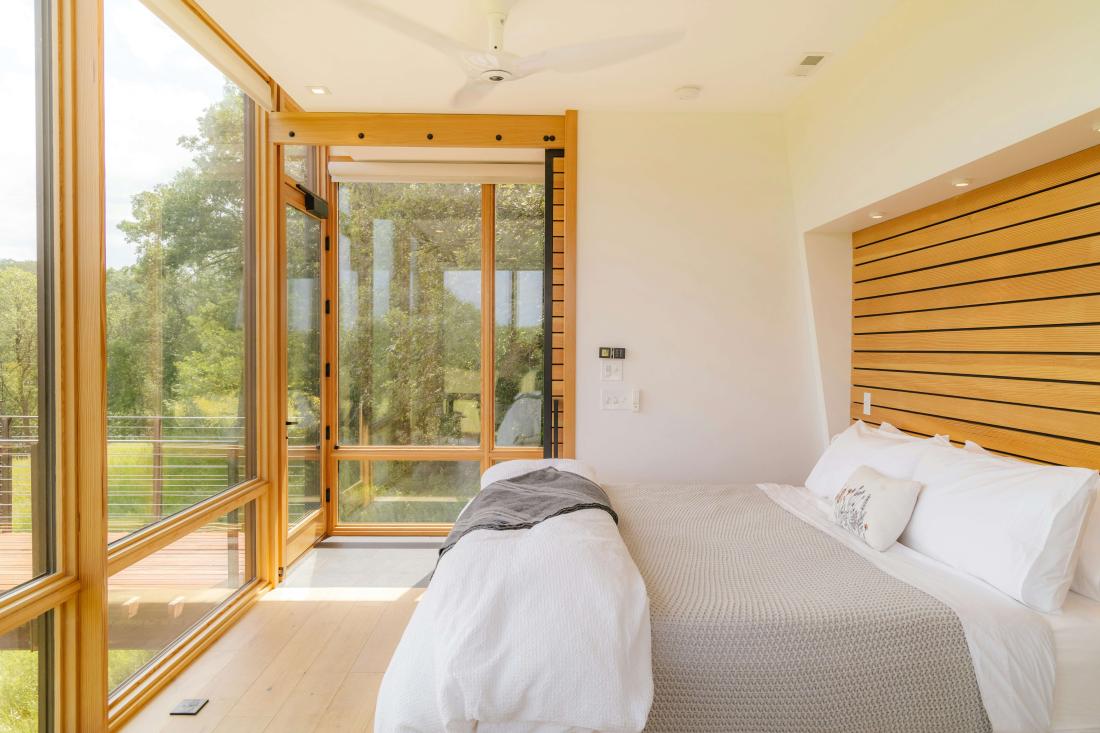
Discover the most popular ceiling designs for modern homes in Malaysia — from minimalist coves to bold coffered styles that transform any space.
Most homeowners in Malaysia spend considerable thought on flooring, wall colours, and furniture — yet the ceiling remains an afterthought. That is a missed opportunity. Interior designers often refer to the ceiling as the "fifth wall," and the most popular ceiling designs for modern homes today prove exactly why that reputation is well earned.
A thoughtfully designed ceiling changes how a room feels. It influences light, perceived height, and the overall mood of a space. Whether you are renovating a condominium in Kuala Lumpur or building a new landed home in Selangor, the right ceiling treatment can quietly elevate the entire interior without a single piece of furniture being moved.
Why Your Ceiling Deserves More Attention
Most homeowners in Malaysia spend considerable thought on flooring, wall colours, and furniture — yet the ceiling remains an afterthought. That is a missed opportunity. Interior designers often refer to the ceiling as the "fifth wall," and the most popular ceiling designs for modern homes today prove exactly why that reputation is well earned.
A thoughtfully designed ceiling changes how a room feels. It influences light, perceived height, and the overall mood of a space. Whether you are renovating a condominium in Kuala Lumpur or building a new landed home in Selangor, the right ceiling treatment can quietly elevate the entire interior without a single piece of furniture being moved.
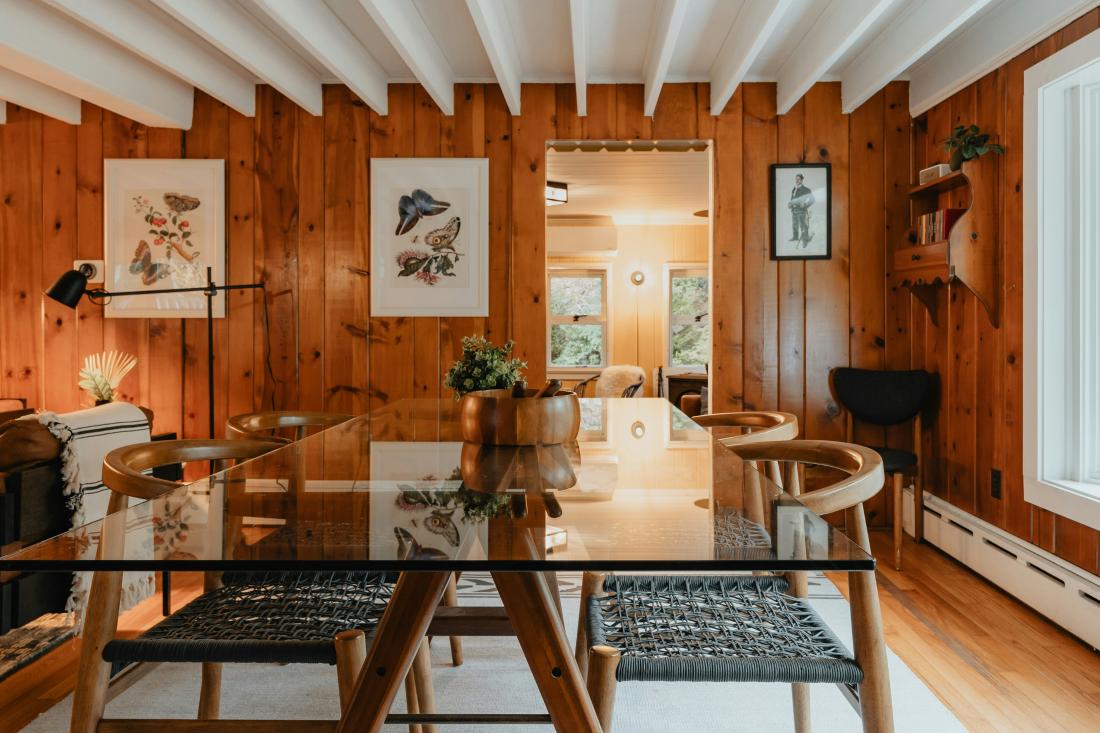
Popular Ceiling Designs for Modern Homes
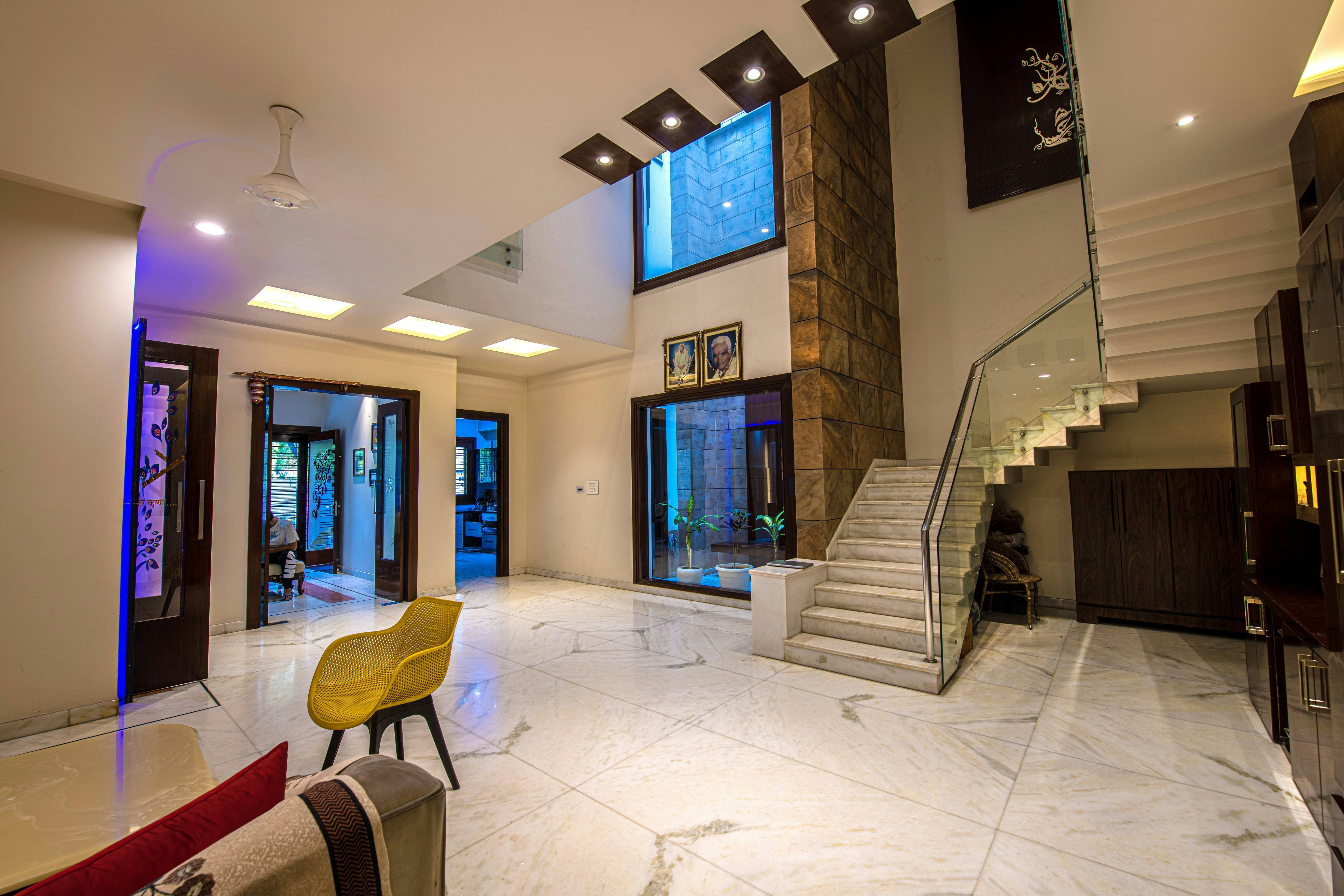
Cove Ceilings with Indirect LED Lighting
Cove ceilings are among the most requested modern home ceiling ideas in Malaysia today, and it is easy to understand why. The design features a recessed ledge running along the perimeter where the ceiling meets the wall, creating a channel that conceals LED strip lighting. The result is a warm, diffused ambient glow that replaces harsh downlights and makes any room feel instantly more refined.
Living rooms and master bedrooms benefit most from this treatment. The soft upward wash of light adds perceived height and creates a hotel-like atmosphere that many Malaysian homeowners are actively seeking. Cove ceilings pair beautifully with minimalist interiors — neutral palettes, clean furniture lines, and uncluttered layouts — and the installation cost remains relatively accessible compared to more complex ceiling systems.
Plasterboard Drop Ceilings — The Malaysian Standard Done Right
The plasterboard drop ceiling is the backbone of residential ceiling design across Malaysia, and when executed well, it is far from ordinary. By installing a secondary ceiling framework below the original concrete slab, contractors can conceal electrical wiring, air-conditioning ducts, and plumbing — all of which are a reality in Malaysian home construction.
What makes this ceiling type so versatile is its adaptability. It can be shaped into flat planes, tiered levels, or curved edges depending on the design intent. A popular approach in open-plan Malaysian homes is the tiered drop ceiling, where different height levels subtly zone the dining area from the living space without requiring physical partitions. The key to a premium result lies in the quality of plastering and painting — smooth, seamless joints and a consistent surface finish are what separate a professional outcome from an average one.
Coffered Ceilings — Structure and Character Overhead
For homeowners who want their ceiling to make a statement, coffered ceilings deliver structural character that few other designs can match. A coffered ceiling features a recessed grid of panels framed by beams — traditionally associated with grand colonial architecture, but now reinterpreted for contemporary Malaysian interiors with cleaner lines and simpler geometry.
Modern coffered ceilings in Malaysia tend to use painted gypsum board rather than heavy timber beams, keeping the look current without sacrificing the architectural depth that makes this design so compelling. They work particularly well in dining rooms and formal living areas of bungalows and semi-detached homes where ceiling height allows the grid to breathe. In a large open-plan space, a coffered ceiling brings visual rhythm and a sense of intention that a flat ceiling simply cannot replicate.
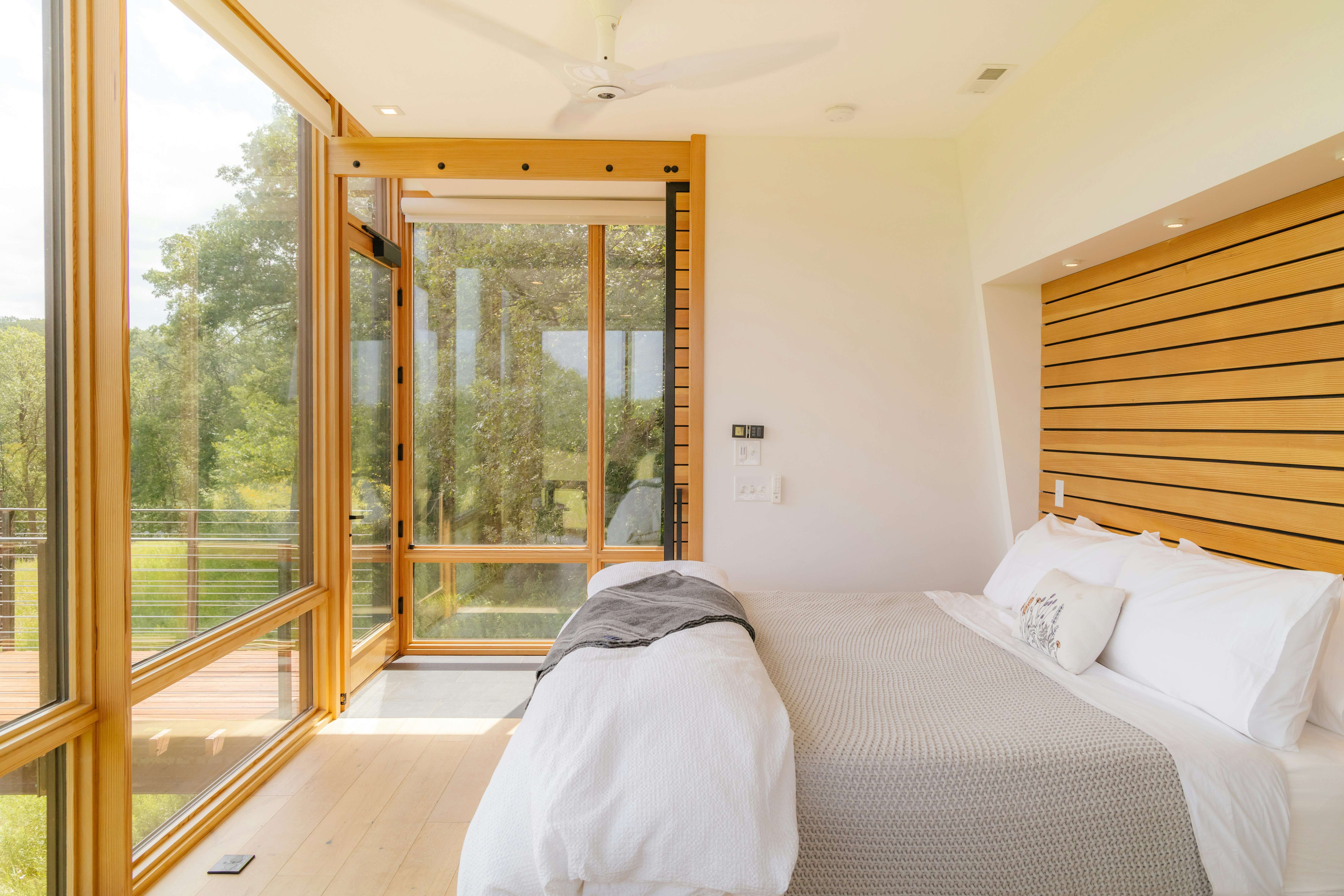
Wooden Slat Ceilings — Natural Warmth in a Modern Frame
Wooden slat ceilings have become one of the most photographed modern home ceiling ideas in Malaysian interior design over the past few years. Rows of narrow timber strips with deliberate gaps between them create a layered, textured surface overhead that brings warmth into otherwise cool, minimal interiors.
This ceiling style sits naturally within the Japandi and tropical modern aesthetics that resonate strongly with younger Malaysian homeowners. Entrance foyers, dining rooms, and covered outdoor areas are ideal settings for timber slat ceilings. Given Malaysia's humidity, most experienced contractors recommend engineered timber or aluminium slats with a timber-effect finish over solid wood — they resist warping and swelling while delivering the same visual warmth without the long-term maintenance concerns.
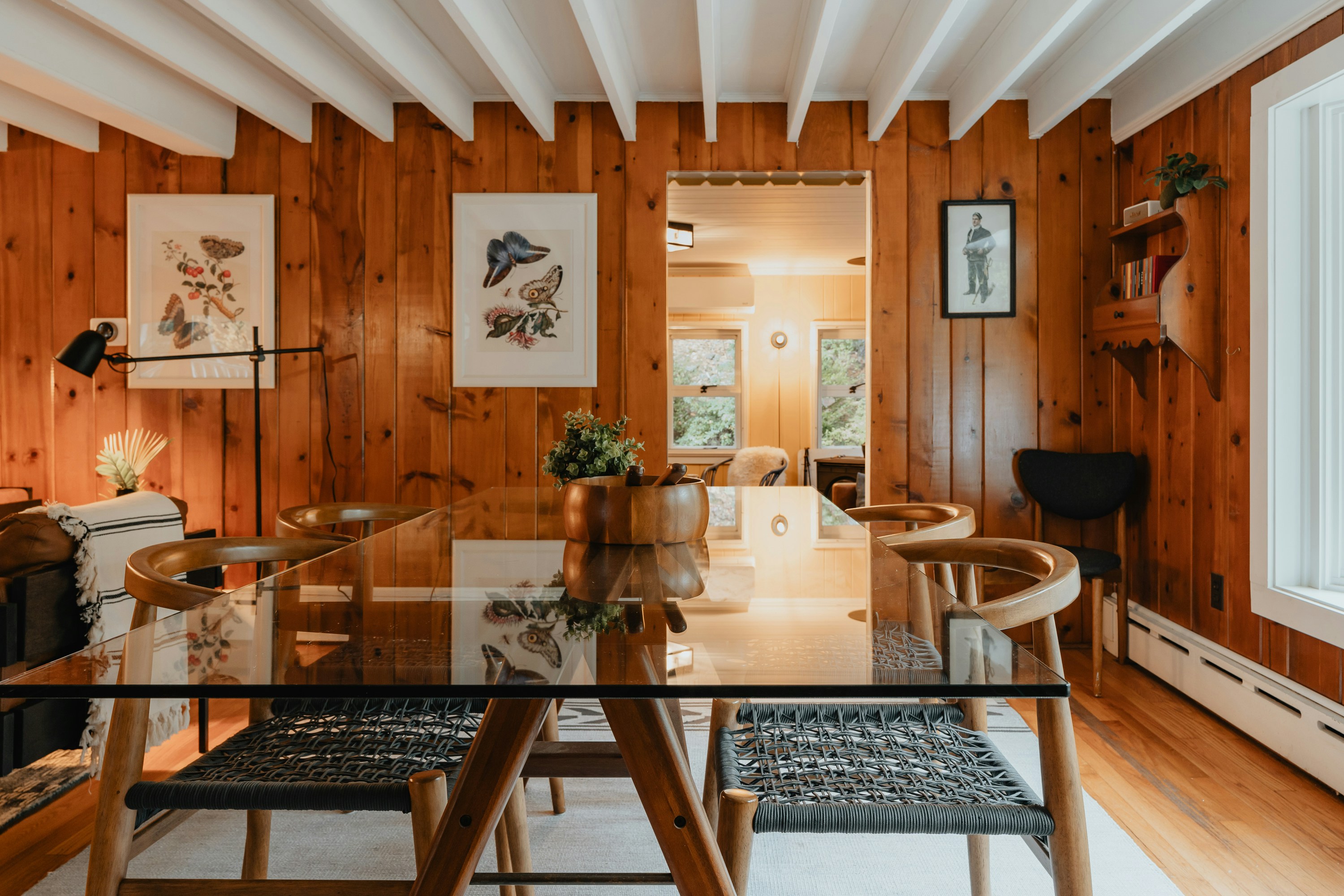
Exposed Concrete Ceilings — Raw and Intentional
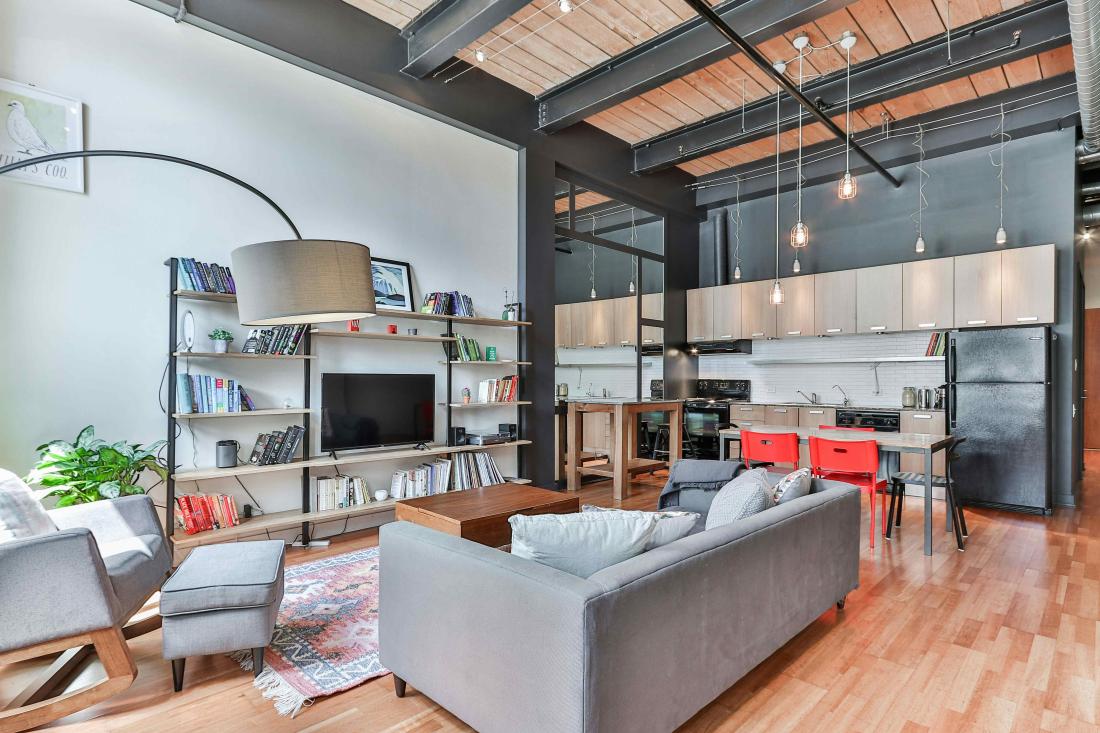
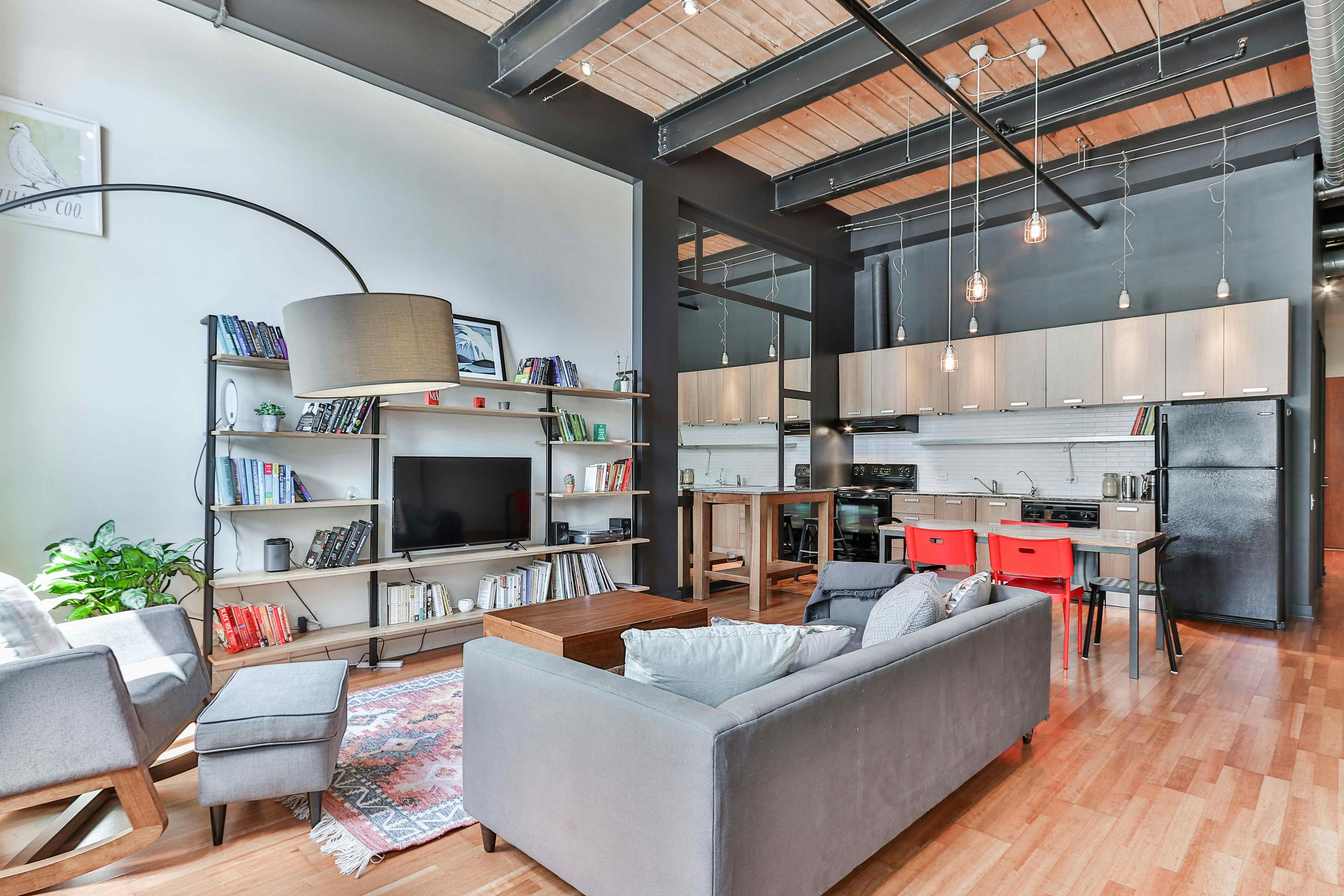
Not every modern home ceiling idea involves covering what is already there. A growing number of urban Malaysians — particularly those living in apartments and lofts in areas like Bangsar South, Damansara, and Setapak — are choosing to leave their concrete ceiling slabs exposed rather than plastering over them.
When treated with a concrete sealer or a thin skim coat for consistency, an exposed concrete ceiling reads as deliberate and architectural rather than unfinished. Paired with warm timber floors, low-profile furniture, and soft textiles, it anchors a room in the kind of honest, material-led aesthetic that defines contemporary industrial and Japandi interiors. It is a confident choice that works best when the rest of the design supports it.
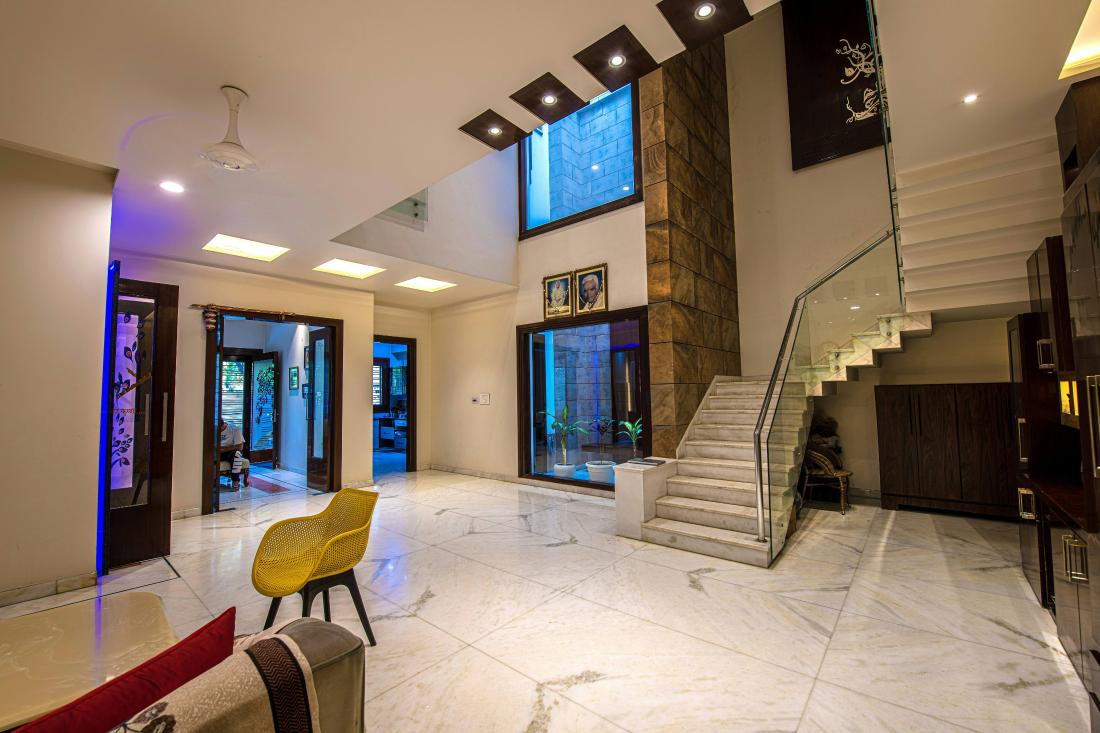
Choosing the Right Ceiling Design for Your Home
With several compelling options available, the decision ultimately comes down to three factors: your ceiling height, your budget, and your overall interior direction.
Low ceilings common in older Malaysian terrace houses call for designs that open the space upward — cove ceilings with uplighting or light-toned flat finishes work best here. Higher ceilings in bungalows and semi-detached properties can support more layered treatments like coffered panels or wooden slats without feeling heavy.
Budget-wise, plasterboard drop ceilings remain the most cost-effective foundation, with design upgrades like cove lighting or tiered levels added incrementally. Specialty options like timber slats or polished concrete treatments carry a higher price point but can define the character of a key room in a way that no other element can.
Most importantly, your ceiling should speak the same design language as the rest of your interior. A ceiling that works in isolation but clashes with your flooring, cabinetry, or wall treatment will always feel slightly off. Work with an experienced interior designer or ceiling contractor in Malaysia to ensure every element reinforces the same vision.
Let the Right Contractor Bring Your Ceiling to Life
The best ceiling design is only as good as the team that installs it. At Aathaworld, we connect homeowners across Malaysia with trusted ceiling contractors and quality building materials to ensure your ceiling project is completed to the highest standard. Contact us today to get started.
Frequently Asked Questions
Q1: Which ceiling design suits a small Malaysian apartment best?
Cove ceilings with indirect LED lighting are ideal for compact apartments. The upward light wash creates the illusion of height and openness, making even a modest-sized room feel significantly more spacious and well-considered.
Q2: How long does a plasterboard ceiling installation take?
A standard living room or bedroom typically takes two to three days for plasterboard ceiling installation, depending on design complexity and the number of lighting points. More elaborate tiered or curved designs may require additional time.
Q3: Are wooden slat ceilings practical in Malaysia's humid climate?
Yes, provided the right materials are used. Engineered timber or aluminium slats with a timber-effect coating handle Malaysia's heat and humidity far better than solid wood, which can warp over time. Most experienced local contractors will recommend these alternatives for long-term durability.